
"G4 coffee"
800 article(s) found

Ethiopia where coffee beans are produced Brand flavor Manor production area introduction
Ethiopian coffee grows in the plateau of western Ethiopia at an altitude of 4900-5900 feet (Wollega Province), north of Jima. Most of it is wild, with an annual yield of about 500000bags/60kg. Most of the exports are G5/G4. The beans are larger and longer than Longberry. The green color is a little brown. The taste is similar to jasmine tea. It is bitter, lacks the rising hala, slightly sour, and has a slight fruit fragrance and wine fragrance.

Harald Gimar Kim Bilim of Costa Rica Coffee country Sidamo Yega Chuefei
Ethiopia is called the hometown of coffee, not only because it is the earliest birthplace of coffee in the world, but also because it is a place where coffee is everywhere. There is a custom in this birthplace of coffee that no matter how poor and miserable people are, they must have a coffee pot and a charcoal stove in their home. Because the local people think they have to

Introduction to the characteristics of several major coffee producing areas in Ethiopia: the name of the manor, the description of flavor, the degree of grinding
Ethiopian coffee grows on the plateau of western Ethiopia at 4900-5900 feet (Wollega province) above sea level, north of Gima, mostly wild, with an annual output of about 500000bags/60kg, mostly exported by G5/G4, with beans larger and longer than Longberry, brownish in green, similar to less jasmine tea, more bitter, lack of rising Hara, slightly sour, slightly fruity and wine.

Ethiopian coffee unpopular knowledge Ethiopian coffee culture
Professional coffee knowledge exchange more coffee bean information please follow the coffee workshop (Wechat official account cafe_style) Ethiopia is known as the birthplace of coffee, it is a local custom, no matter how poor people's homes, they must have a coffee pot and a charcoal stove, why? Because coffee is something that local people think they have to make every day.

Unique Ethiopian Coffee Estate Boutique Coffee Bean Cultivation Location Climate Sea
Ethiopia is home to Arabica coffee, and it is in the forests of the Ethiopian Kaffa region that you can see Arabica coffee growing wild. In Ethiopian, coffee is called Bun or Buna, and coffeebean may be translated from Kaffa Bun. Arabica coffee was discovered early in the Harar area and is likely to come

An introduction to Sumatra Coffee Manor, a boutique coffee bean producing area in Ethiopia
Growing in western Ethiopia, 4900-5900 feet (Wollega province) plateau, north of Jima, mostly wild, annual output is about 500000bags/60kg, export is mostly G5/G4, bean body is larger and longer than Longberry, a little brown in green, taste similar to less jasmine tea, more bitter, lack of rising Hara, slightly sour, slightly fruity and wine aroma, but slightly inferior to Hara.

What are the characteristics of Ethiopian coffee beans? introduction to the varieties and prices of Ethiopian coffee
Professional coffee knowledge exchange more coffee bean information please follow the coffee workshop (Wechat official account cafe_style) Ethiopia Coffee Front Street introduction Harar Hara is located in the Eastern Highlands of Ethiopia (Harerge Province) and grows between 5000 and 7000 feet above sea level. It was still wild on the slopes a century ago, and most of the raw beans are medium size and long at both ends, green in color.

A list of the main producing areas of Ethiopian Coffee not only Yega Xuefei
Professional coffee knowledge exchange more coffee bean information please follow the coffee workshop (Wechat official account cafe_style) Ethiopia is known as the birthplace of coffee, it is a local custom, no matter how poor people's homes, they must have a coffee pot and a charcoal stove, why? Because coffee is something that local people think they have to make every day.
Ethiopian coffee brands recommend Ethiopian coffee beans how to buy Ethiopian coffee prices
Professional coffee knowledge exchange more coffee bean information please follow the coffee workshop (Wechat official account cafe_style) Ethiopia is known as the birthplace of coffee, it is a local custom, no matter how poor people's homes, they must have a coffee pot and a charcoal stove, why? Because coffee is something that local people think they have to make every day.

How are Ethiopian coffee beans graded? What's the difference between G1 and G3?
Professional coffee knowledge exchange more coffee bean information Please pay attention to the coffee workshop (Wechat official account cafe_style) often see Essel beans packaging written on what G1, G2, G3, what do these represent? What is the difference between them? The grading of Ethiopian coffee beans first of all, the Ethiopian Ministry of Agriculture has a person called CLU (Cupping and Liquoring Unit).

Knowledge about coffee raw beans classification and nomenclature of coffee in different countries
What exactly do G1, G2, G3, G4, AA, PB, SHB, SHG, EP and PLANTATION represent? The name of a coffee may contain messages such as country, producing area, variety, treatment, cup quality, bean order, bean shape or color, defect, raw bean density, etc. To really understand the naming of coffee, we must first understand the classification and classification of coffee. The grading of coffee

Ethiopian Coffee-Wash Coffee Yerga Sherfi Flavor Introduction
Yirgacheffe Coffee has a strong floral flavor. Washed Yerga Sherfi is one of the world's finest high quality coffee, with soft acidity and rich body. Top and Bebeka coffee, low in acidity but high in body, is an indispensable member of the blend coffee. Grade of Ethiopian coffee: Ethiopian washed coffee Ye Jia Xue Fei G1 G2 West Damo (Yi

Boutique coffee beans sun-dried boutique coffee Harald
In addition to Brazilian coffee processed by tanning, Harald also uses tanning to process coffee. Unlike Brazilian coffee, Harald can give you a refreshing feeling. It has a very sharp fermented smell, similar to the aroma of wine, and has the texture of red wine. It is a very rare fine coffee processed by sun. Harald is a member of the Oromia region of Ethiopia

Ethiopian coffee variety brand flavor description taste treatment grinding scale
Ethiopian coffee category brand flavor description taste treatment grinding scale washing Ethiopian wild djimmahjima mocha coffee, wild appearance below, is gentle heart; it is indeed a relatively high quality low acidity coffee. Sidamo sidamo Ethiopia Sidamo is a type of single origin that grows in Arabica coffee in the Sidamo province of Ethiopia. Vs.

Sun boutique coffee Harald
In addition to Brazilian coffee processed by tanning, Harald also uses tanning to process coffee. Unlike Brazilian coffee, Harald can give you a refreshing feeling. It has a very sharp fermented smell, similar to the aroma of wine, and has the texture of red wine. It is a very rare fine coffee processed by sun.

A major producing area of sun boutique coffee in Harald Oromia region
In addition to Brazilian coffee processed by tanning, Harald also uses tanning to process coffee. Unlike Brazilian coffee, Harald can give you a refreshing feeling. It has a very sharp fermented smell, similar to the aroma of wine, and has the texture of red wine. It is a very rare fine coffee processed by sun. Harald is a member of the Oromia region of Ethiopia

African Coffee Green Beans Learn about coffee plantations that produce green beans
Ethiopia Yegashefi G2| Ethiopia Yirgachaffe Grade2 Ethiopia Sidama G2| Ethiopia Sidamo Grade2 Ethiopia Harar G4| Ethiopia Harrar Grade4 Kenya Kenya AA| Kenya AA Tanzania AA| Tanzania AA Rwanda AA| Rwanda AA Ugan
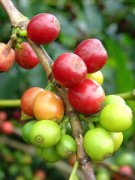
One of the ingredients of synthetic beans, Jinbi coffee, fine coffee.
Ghimbi grows in the plateau of Western Ethiopia at 4900-5900 feet (Wollega province) above sea level, north of Jima, mostly wild, with an annual output of about 500000bags/60kg, mostly exported by G5/G4, beans larger and longer than Longberry, brownish in green, similar to less jasmine tea, more bitter, lack of rising Hara, slightly sour, slightly fruity and slightly inferior to wine.
Coffee, compared to drinking, the characteristics are more prominent ~
Today, after lunch, I want to have a cup of coffee. I happen to have four beans on hand, so they are all used to make a cup. The four beans are: Ethiopia Harald G4 Indonesia Sulawesi Tonaga G1 Kenya AA++ El Batres Farms hot spring beans for fair comparison, all four beans try to use the same extract bar
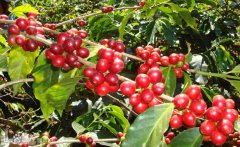
Kimby-Ethiopia Fine Coffee Beans
Ghimbi grows in the plateau of Wollega province, north of Jima, west Ethiopia, 4900-5900 feet above sea level. Its annual yield is about 500000bags/60kg. Its export is mostly G5/G4. Its bean body is bigger and longer than Longberry, with a little brown in green color. It tastes like less jasmine tea fragrance, more bitter, lacking rising hala, slightly sour, with slight fruit fragrance and wine fragrance.